
Borehole drilling for water across the South of England
Over 4,000 water boreholes drilled across the South of England since 2003. Reliable supply, lower running costs, full control over your own water — for homes, farms, businesses and developments.
4,000+
Water boreholes drilled
20+
Years drilling experience
600m
Maximum drilling depth
In-house
Design, drilling & service teams
What is a water borehole?
Borehole drilling for water is the process of drilling a well into the natural aquifer beneath your property to provide your own private, reliable water supply — independent of the mains network. A water borehole can provide drinking water, garden and crop irrigation, livestock water, swimming pool top-up, industrial process water and cooling.
Water boreholes are increasingly the choice of homeowners, farms, estates and businesses across the South of England — driven by mains-water bill rises under the PR24 price review, repeated hosepipe bans, and the resilience benefits of having your own supply on tap regardless of what the local water company is doing. See our guide to borehole drilling costs for what affects the price.
Did you know? Switching from mains to a water borehole for 20m³/day reduces your water-related carbon footprint by up to 80% — there's no pumping water from a reservoir miles away, just from the aquifer directly under your land.
What is a deep bore soakaway?
Deep bore soakaways are ideal where traditional soakaways won't work or traditional drainage is too costly. They allow the discharge of storm and surface water into porous geology out of reach of more traditional methods.
They're a perfect solution when there is insufficient room for a crate or herringbone soakaway system, or when the surface geology has low porosity. They can be quickly constructed using advanced technology.
Read more about deep bore soakaways →See the water borehole process
Owner and Director Ben Nicholls talks you through the water borehole process — from initial enquiry to ongoing servicing and maintenance.
See inside the treatment plant room
Beyond the drilling — a look at the filtration, dosing and monitoring equipment that turns raw borehole water into a reliable, treated supply.
Mains supply vs water borehole vs Water as a Service
Three ways to get water to your property. Most homes and small farms own a borehole; commercial sites with high-volume needs often prefer Water as a Service. Here's how they compare.
| Mains supply | Water borehole (you own) | Water as a Service | |
|---|---|---|---|
| Reliability | Subject to outages, hosepipe bans, restrictions | Fully independent, 24/7 supply | Fully independent (managed by us) |
| Running cost | £3-£5 per m³ (rising under PR24) | Electricity only — typically <£0.30/m³ | Pay-per-m³ — 20-40% below mains |
| Upfront cost | £0 (mains connection cost separate) | From £25k typical install | £0 — we own the infrastructure |
| Control | None (regulated supplier) | Full control of your own supply | Performance SLA from us |
| Best for | Low usage, urban sites with no outdoor space | Long-term ownership, rural sites | High volume (80m³/day+) without capex |
Want managed water at scale?
Water as a Service — we build, own and operate; you pay per m³ at a discount to mains. Best for 80m³/day+ commercial sites.
Learn about WaaS →
Want a cost breakdown?
Detailed guide to what affects water borehole cost — depth, geology, pump spec, distance to property, treatment.
What affects cost? →
Water borehole applications
Water boreholes scale from a single domestic supply to high-volume commercial installations. The same in-house design, drilling and servicing team covers every use case.
Residential water boreholes
Private water supply for drinking, garden irrigation, swimming pools and general household use. Typically 60-80% lower running cost than mains.
Learn moreCommercial water supply
From individual companies to industrial parks, hospitals to data centres. Compact equipment minimises disruption to your site.
Learn moreAgricultural irrigation
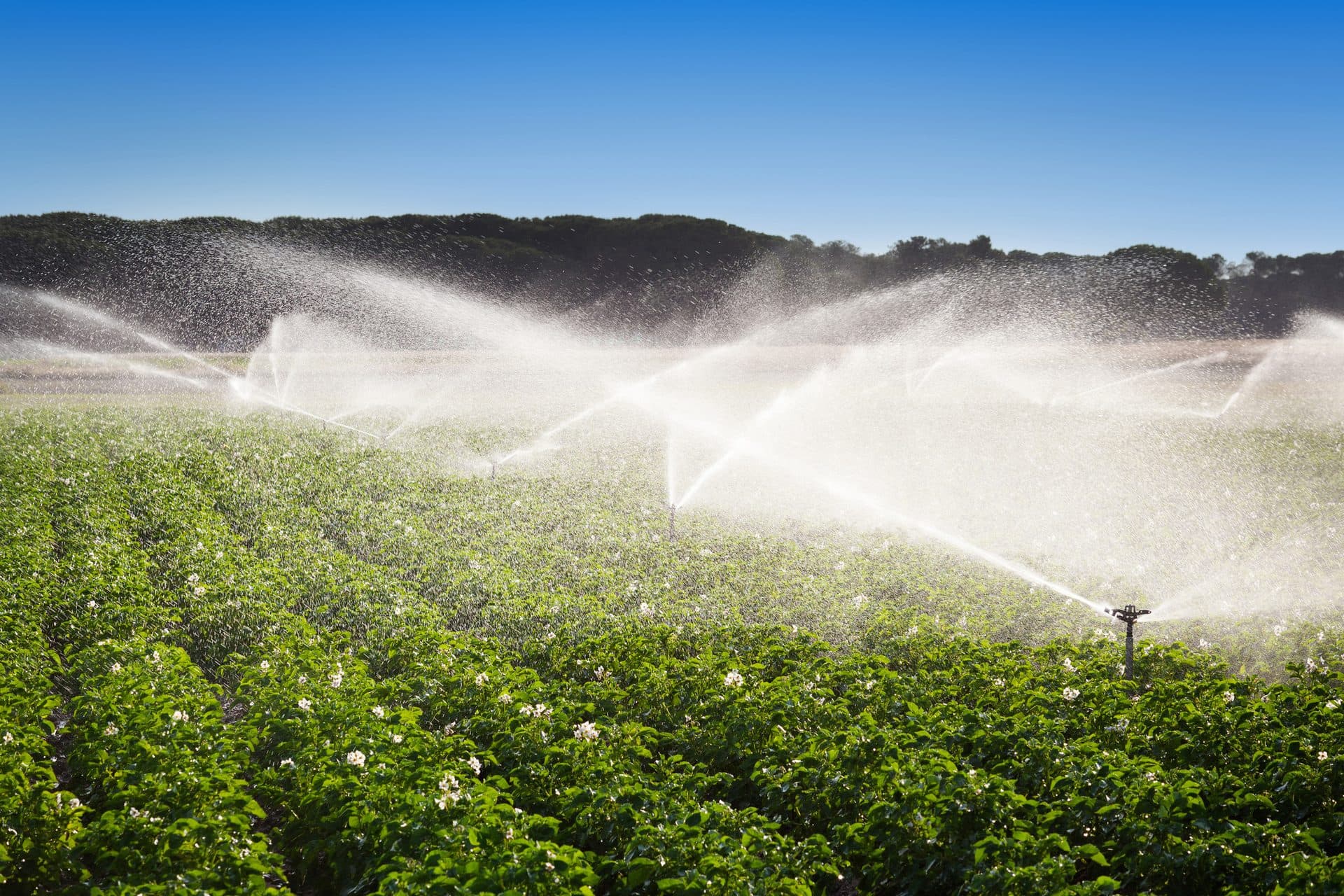
Irrigation, livestock watering and farm operations. Reliable water supply independent of mains and resilient to hosepipe bans.
Learn moreConstruction & development
Water supply for construction sites, dewatering and sustainable supply for new developments. Often part of water-neutrality compliance for new builds.
Learn moreWater as a Service
For large-volume users (80m³/day+). We build, own and operate the borehole — you pay per cubic metre at a discount to mains.
Learn moreSports & leisure
Golf courses, sports pitches and leisure facilities. Reduce water costs significantly while maintaining premium playing surfaces.
Complete turnkey water borehole solutions
From first site visit to commissioned water on tap, every stage handled by our own in-house teams. Or take individual elements if you have other contractors involved.
Design
Our qualified, in-house design team assess your needs, design your project and undertake all technical calculations and drawings. We review the geology and may obtain a geological report or use traditional methods such as dowsing.
Drilling & installation
We provide a no-obligation estimate with a detailed project management plan. With our own staff and purpose-built rigs, we undertake the drilling and install all necessary components including pumps, pipework and control systems.
Maintenance & servicing
Our dedicated service department provides ongoing monitoring, pump testing, water quality analysis and annual maintenance. We also handle Environment Agency licence requirements and compliance.
Do I need a water abstraction licence?
Any water abstraction above 20 cubic metres per day requires a Water Abstraction Licence from the Environment Agency. Our sister division, Nicholls Licensing & Consulting, handles all regulatory work — from pre-application assessments to full licence applications.
For abstractions under 20m³/day (covering most domestic and many small commercial users), no licence is required, allowing for a faster process. We can advise on which route is best for your situation as part of the free site assessment.
Separately, if your borehole will supply water to anyone outside your own household — tenants, employees, holiday-let guests, food businesses — your local authority's Environmental Health team regulates the supply under the Private Water Supplies Regulations 2016. See our private water supplies & EHO compliance service.
Learn about our licensing services →Water borehole questions, answered
The questions we hear most often before a site visit. Don't see yours? Get in touch — we'll answer before you commit to anything.
What is a water borehole?
What is a borehole?
How much does borehole drilling cost?
How deep does a water borehole need to be?
How much does a water borehole cost?
How long does it take to drill a water borehole?
Do I need a licence for a private water borehole?
Will the water be safe to drink?
Is my site suitable for a water borehole?
How much can I save by switching to a water borehole?
What ongoing maintenance does a borehole need?
What about water boreholes for irrigation or commercial use?
Do you cover my area?
Water boreholes across the South of England
We've completed water borehole projects in every county in the South of England. Click your area for local geology and project examples:
In Kent or East Sussex specifically?
Read our water security guide for Kent & East Sussex →Ready to discuss a water borehole for your property?
Free site assessment and written estimate — geology desk study, depth estimate and full installation cost before any work commits.